
The General Laws Amendment Act (GLAA) was gazetted and became part of the laws of the land on 1 July 2016. The GLAA took an omnibus approach to amend and attempt to align 126 Acts with the Constitution. Prior to GLAA’s enactment and passage in parliament, the Zimbabwe Election Support Network (ZESN) had made submissions specific to the portions relating to the amendment of the Electoral Act. The analysis focusses on the extent to which the latest amendments address the concerns around the electoral law…read more
Zambia elections – lessons for Zimbabwe
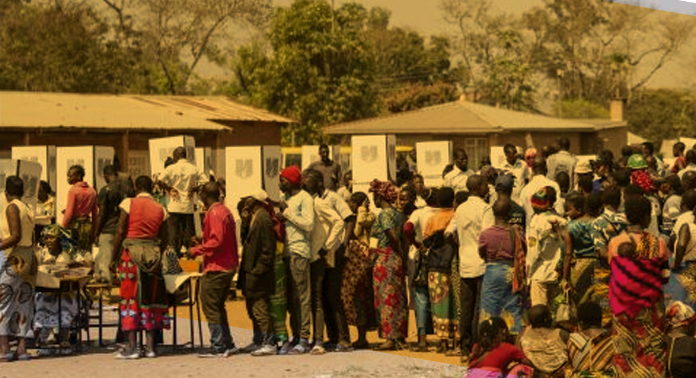
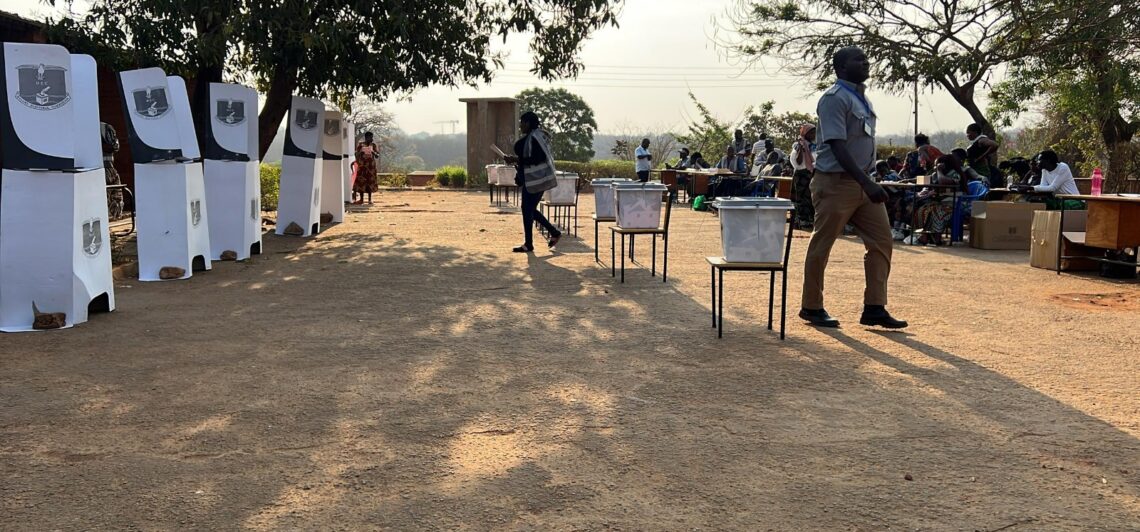
The Zimbabwe Election Support Network sent a 15 member mission to observe Zambia‘s tripartite elections held on the 20th of September 2011. The objectives of the mission were multifaceted and included; to observe the Zambia’s electoral processes, to explore and understand civil society initiatives within and around the electoral process. Lastly, the mission sought to glean lessons and insights to inform Zimbabweans as we prepare for the referendum and the general elections in the future….. : more
Reduce Political Interference in the Accreditation of Election Observers
The credibility of an election is determined not only by the propriety with which the voting process is carried out but also by the certificate of legitimacy conferred upon it by independent election observers. Recognising the critical role of observers in elections, the regional body…….. : more
Postal voting: Govt must be pro-active
THERE are ways to vote for persons who cannot be present personally in their constituencies and wards on the designated voting days. The more traditional way is postal voting, and the other is special voting. This article analyses both and makes recommendations for their broader use to increase access to eligible voters……… : more
LIBERALISE THE BROADCAST MEDIA TO ASSIST VOTERS MAKE
It is obvious that the media plays an influential role in modern politics. In addition to the traditional electronic and print media, the internet has become a powerful tool for information dissemination, as evidenced by the reported role of social networking…. …. : more
INDEPENDENCE OF THE ZIMBABWE ELECTORAL COMMISSION
The independence of the Zimbabwe Electoral Commission (hereafter, “the Commission”) is a critical issue in the management and conduct of elections. It has the role of the umpire in the elections and for that reason must exercise its powers fairly and impartially treating each contestant equally and without fear or favour. Unfortunately, the Commission and its predecessor, the Electoral Supervisory…… …. : more
Critical Steps in implementation of BVR
Implementation of Biometric Voter Registration (BVR) system requires careful planning, preparation and implementation to ensure that is it successfully implemented. Failure to follow due process in the implementation could jeopardise the process, with devastating consequences for electoral integrity and credibility… read more
Biometric Voter Registration: Lessons from Ugandan polls
On February 18, I went to Uganda to observe the presidential and parliamentary elections there. This was the first election to be held using the biometric voter registration (BVR) system in Uganda. The first lesson I learnt was that BVR and the use of ICTs is not a silver bullet to all electoral challenges. While the BVR machines worked well, they were a number of shortcomings, in particular the electoral environment… read more
ZESN All Stakeholders Conference Presentations
Towards-democratic-elections-priority-areas-for-reforms
International-perspectives-on-electoral-reform
The-political-environment-presentation
Enhancing Transparency in Elections
Role of the media in elections
Investigation in Electoral Related Conflict
Operationalization of BVR – ZEC Paper
Dispute resolution lessons from the region
Constitutionalism and Legal framework of election in Zimbabwe Identifying key gaps